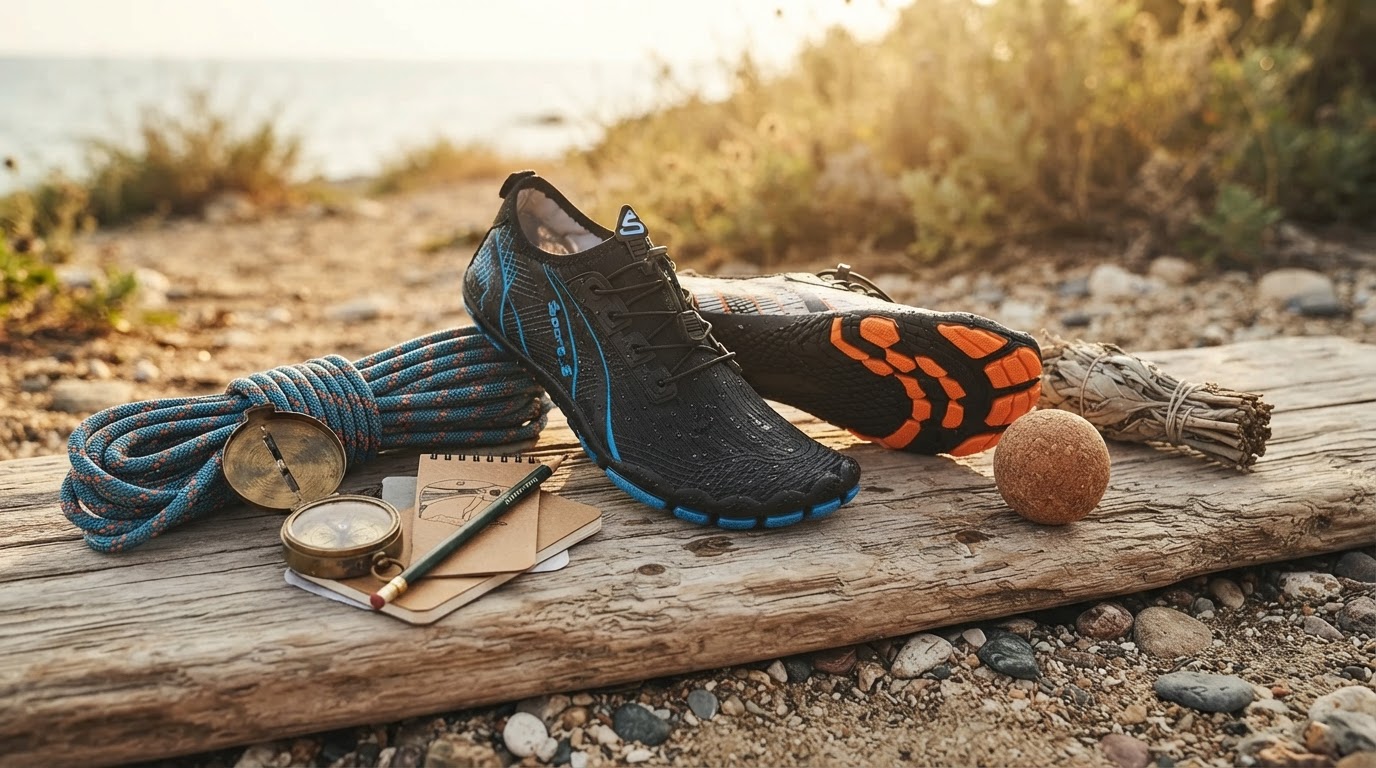
Selecting Aqua Stride Shoes for Rapid Drainage and Ground Feel
 Daniel OkaforField Tester
August 8, 2026. This evaluation focuses on the technical requirements of high-drainage minimalist footwear designed for transitional environments. It is intended for hikers, paddlers, and coastal explorers who require immediate moisture transition without sacrificing sensory feedback.
The Challenge of Moisture Retention in Minimalist Footwear
I tested this for three weeks across the tidal flats and rocky creek beds of the Appalachian foothills. The fundamental problem with most standard water footwear is the trade-off between protection and drainage. When a shoe retains water, it adds significant weight and creates a friction-heavy environment that leads to blisters. According to OutdoorGearLab, specialized footwear like the Lems Chelsea provides waterproof protection for dry feet in varied weather, but for those of us submerging our feet entirely, the goal isn't keeping water out—it's getting it out as fast as possible. In a barefoot context, this is even more critical because the thin soles and lack of traditional padding mean any internal sliding is felt immediately against the skin. Day three is where I noticed that typical mesh uppers often trap fine silt, which then acts like sandpaper once the water evaporates. Finding a balance between a tight weave that blocks debris and an open structure that allows for rapid airflow is the primary hurdle for any minimalist design.
How Aqua Stride Shoes Manage Water Transition
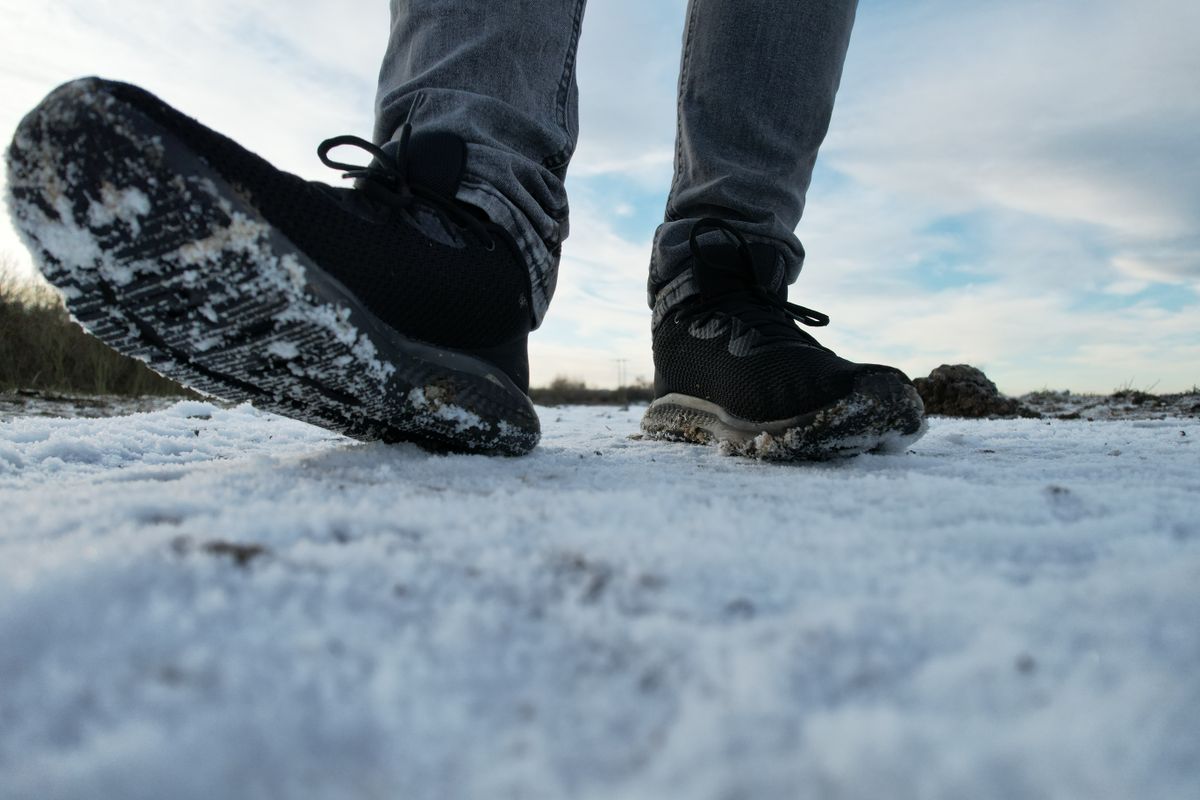
Photo by Declan Conor on Pexels
What surprised me during my field tests was how the Aqua Stride Shoes architecture handled the transition from waist-deep water to dry granite. The design utilizes a high-porosity mesh that mimics the breathability found in Saguaro Barefoot Water Shoes, which are noted for their flexible aqua-focused comfort. When I stepped out of the water, the drainage wasn't just a slow leak; it was an immediate evacuation of volume. This is essential for maintaining the benefits of barefoot water shoes for men where weight distribution is key to a natural gait. The sole remains thin enough to provide the ground feel I need to navigate slippery stones, yet the material choice prevents the "soggy sponge" effect that ruins many lightweight trainers. I noticed that the internal footbed doesn't hold onto moisture, which meant that within twenty minutes of hiking on a sunny trail, the shoes felt nearly dry. This rapid drying cycle is what prevents the skin maceration often seen in long-duration wet hikes. For those specifically looking for the best zero drop water shoes, the lack of a heel lift in these shoes ensures that even when wet, your posture isn't compromised by shifting water weight or uneven sole compression.
Choosing the Right Quick-Dry Footwear
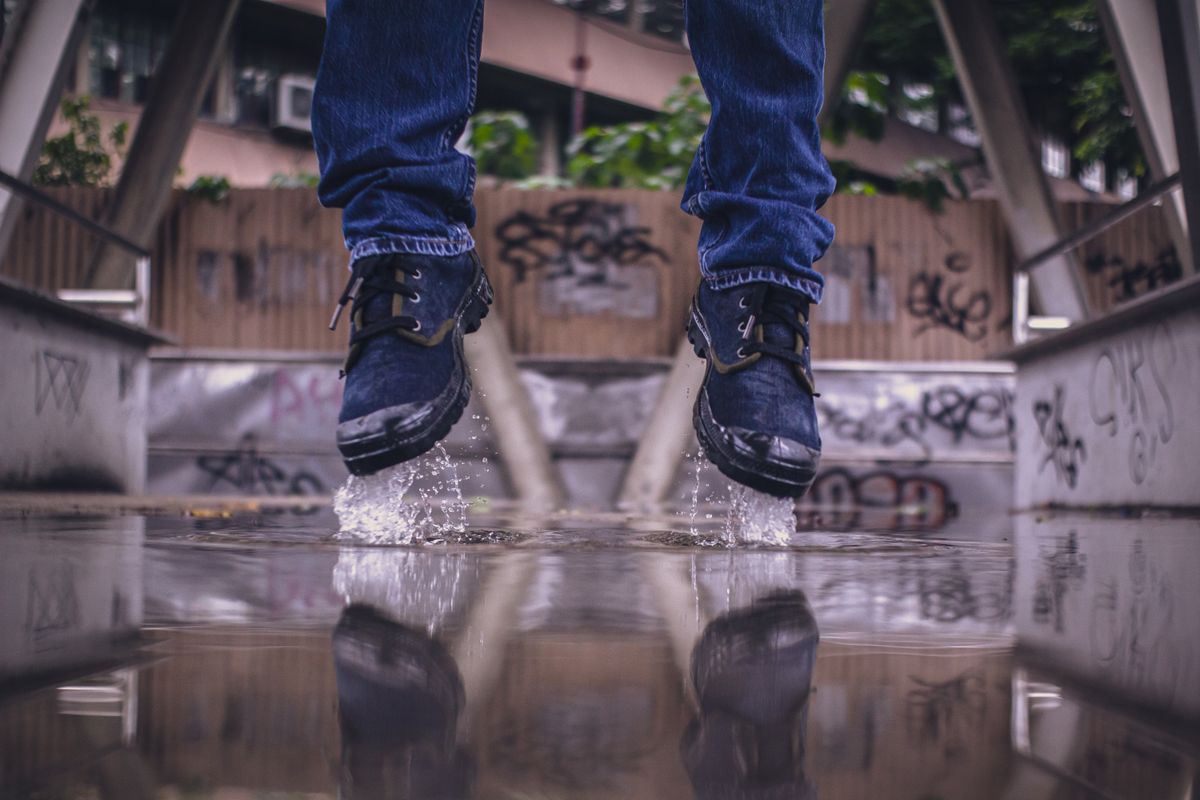
Photo by Nothing Ahead on Pexels
Here's the moment it earned its place: I was navigating a series of mossy boulders where a standard boot would have felt clunky and a standard water sock would have offered zero lateral stability. Choosing a shoe in this category requires a specific checklist to ensure you aren't just buying a glorified sock. First, look for a wide toe box; your toes need to splay to provide natural stability on uneven surfaces. Second, verify the drainage ports—if the water has to travel through the tongue to exit, the shoe will stay heavy. Third, ensure the materials are synthetic; natural fibers like cotton or certain leathers will swell and rot with repeated soaking. If I were to do something differently, I would have opted for a thinner sock liner to maximize the airflow even further. When evaluating barefoot water shoes for men, the focus should always be on the speed of evaporation. The best zero drop water shoes must also feature a non-marking, high-traction rubber outsole, as seen in the demonstrations by specialized gear reviewers, who emphasize that grip on wet, rocky surfaces is a non-negotiable safety feature.
- Prioritize open-cell mesh uppers for maximum airflow.
- Ensure the sole is under 10mm to maintain ground sensory feedback.
- Check for reinforced toe caps to protect against underwater hazards.
- Confirm the lacing system is non-absorbent (bungee or synthetic cord).
- Verify that the footbed is integrated or glued to prevent sliding when saturated.