Water Shoes vs. Flip Flops for Rocky Shore Exploration
Water Shoes vs. Flip Flops for Rocky Shore Exploration
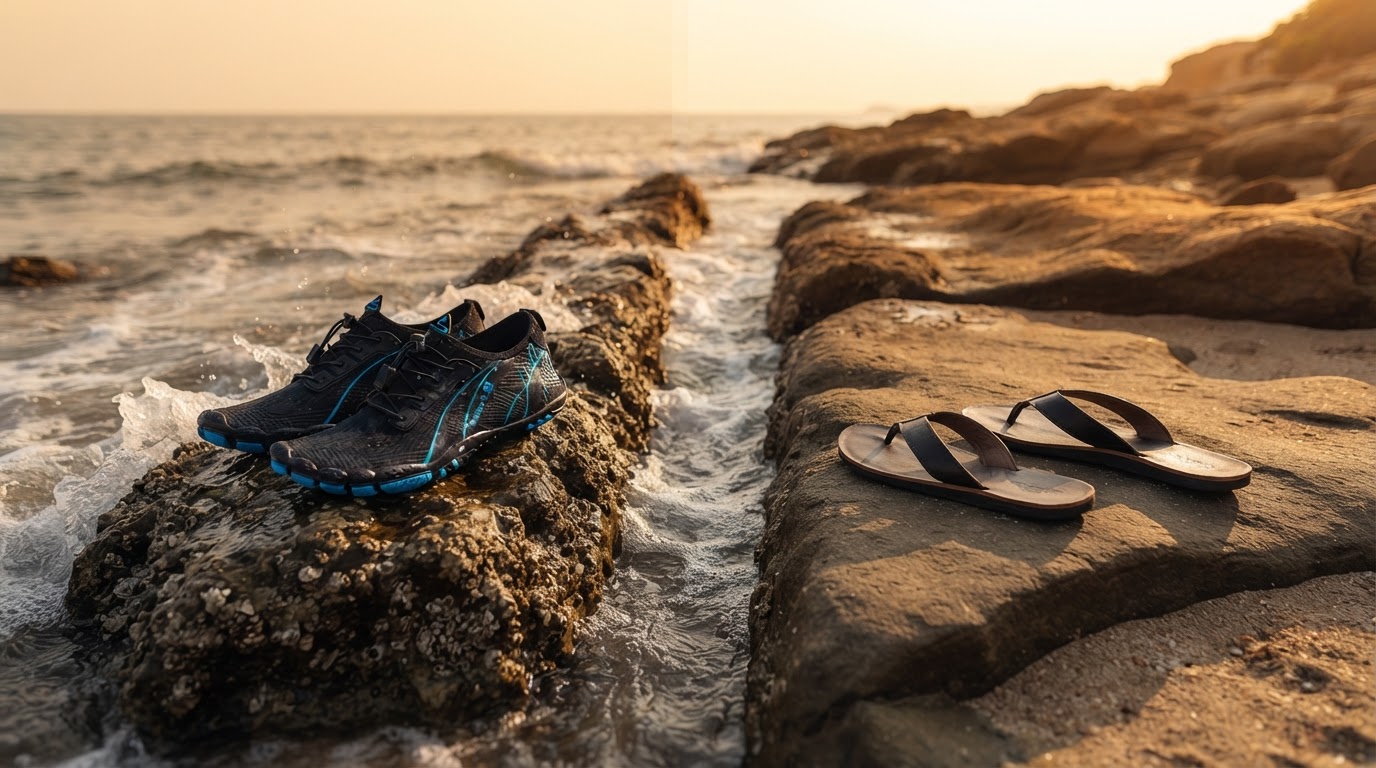
Heading to a coastal area with rocky terrain requires making the right footwear choice. While flip flops are convenient for backyard pools or flat sandy beaches, they fall short on rugged coastlines.
To learn more about foot safety across various terrain, consult [the main guide].
Traction and Grip on Wet Rocks
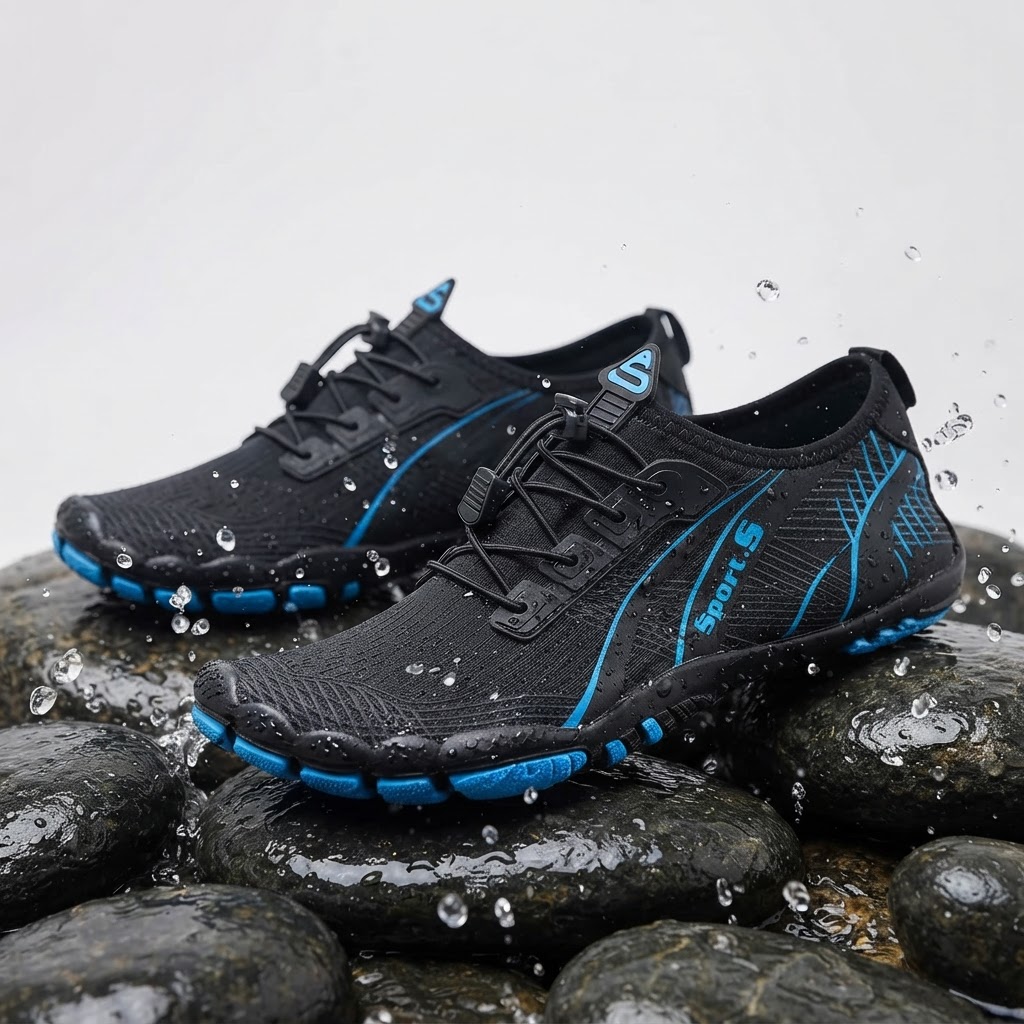
Flip flops typically feature smooth foam outsoles that slick instantly on wet stone, leading to slips. Conversely, quality water shoes have sturdy soles designed specifically for grip on wet surfaces. Their textured tread patterns bite into wet, algae-covered rocks to keep you upright.
Foot Protection and Coverage
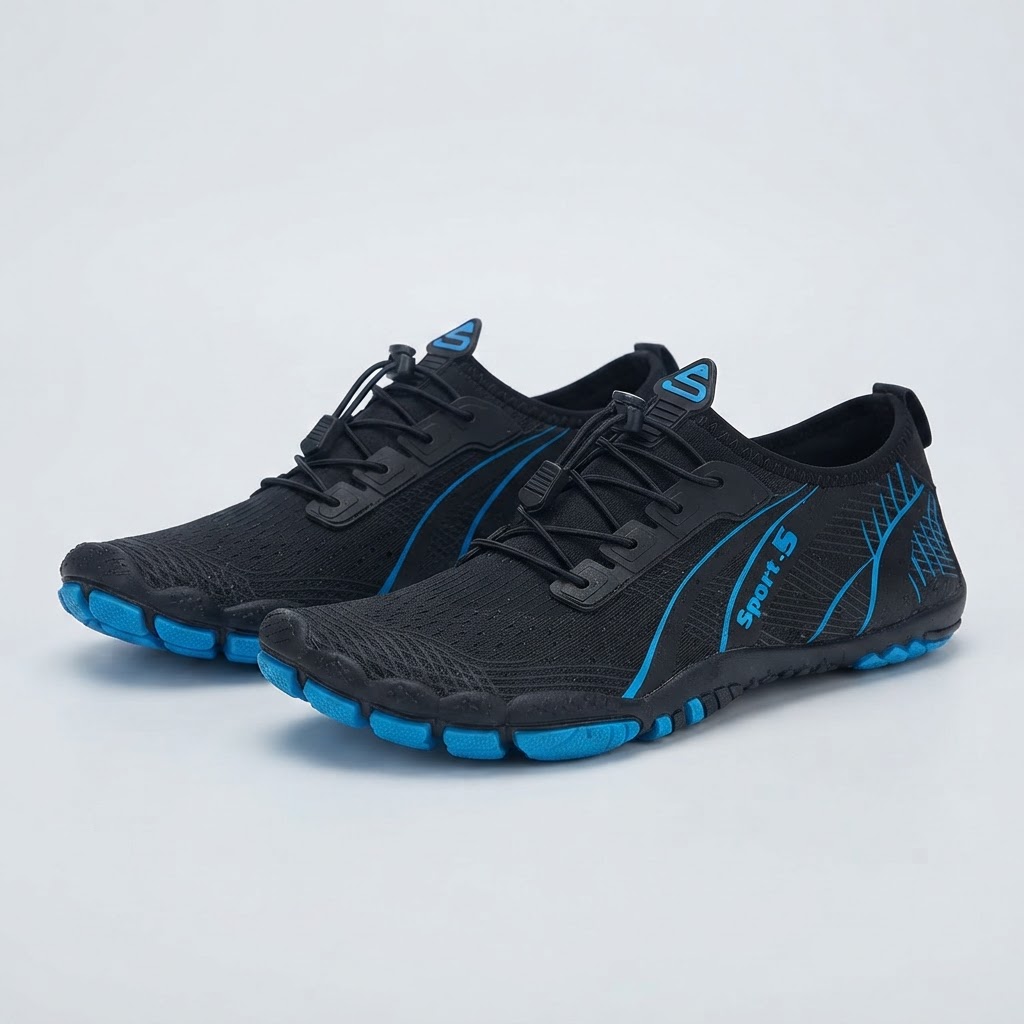
Flip flops leave toes, heel edges, and top surfaces completely exposed to jagged barnacles, sharp volcanic rock, and sea urchins. Dedicated water shoes completely wrap the foot, offering active shield protection from sharp objects and potential hazards underfoot.
Fit, Comfort, and Retaining Gear in Water
In ocean currents or wet mud, flip flops easily slide off or float away. Water shoes offer a snug, flexible fit for all-day wear. They stay locked onto your feet during swim cycles, kayaking, or climbing rocks. Furthermore, open rubber sandals retain moisture between the sole and foot causing slipping inside the shoe, while dedicated water shoes dry rapidly, preventing discomfort and odors.
The Final Verdict
For rocky beach adventures, flip flops present safety risks. Purpose-built options like Aqua Stride Shoes deliver full protection, superior grip, and quick-drying comfort at an accessible cost of $29.99.
Read the full guide: Ultimate Guide on How to Protect Feet on Rocky Beaches