Ultimate Guide on How to Protect Feet on Rocky Beaches
Ultimate Guide on How to Protect Feet on Rocky Beaches
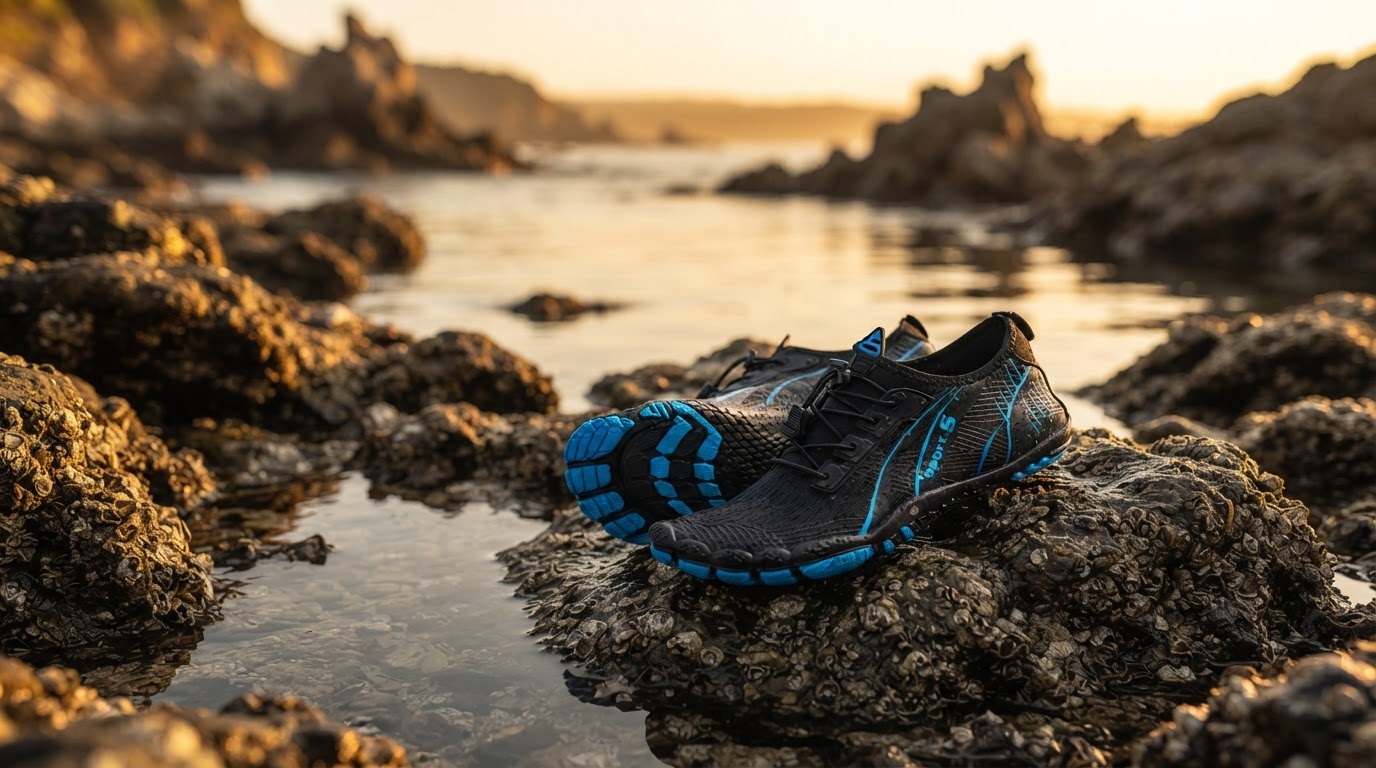
Rocky shores offer breathtaking scenery, pristine tide pools, and incredible coastal adventures. However, navigating terrain covered in jagged rocks, slippery algae, barnacles, and hidden sea urchins presents significant risks to your feet. Knowing how to protect feet on rocky beaches is essential for any beachgoer wanting an enjoyable, injury-free excursion.
Hazards Found on Rocky Coastlines
When exploring non-sandy shores, your feet face multiple hazards simultaneously. Submerged rocks are frequently covered in slick bio-films and micro-algae, making footing precarious. Sharp surfaces—such as broken shells, volcanic basalt, and crusted barnacles—can inflict deep lacerations or puncture wounds instantly.
In addition, marine life like sea urchins and hidden stingrays pose puncture risks. Taking a stroll without adequate foot defense or slipping on uneven ground can lead to twisted ankles, deep cuts, or severe punctures that spoil your day near the water.
Strategies for Keeping Your Feet Safe
Protecting your feet on rocky terrain requires a combination of smart movement techniques and appropriate physical barriers:
What to Look for in Rocky Beach Footwear
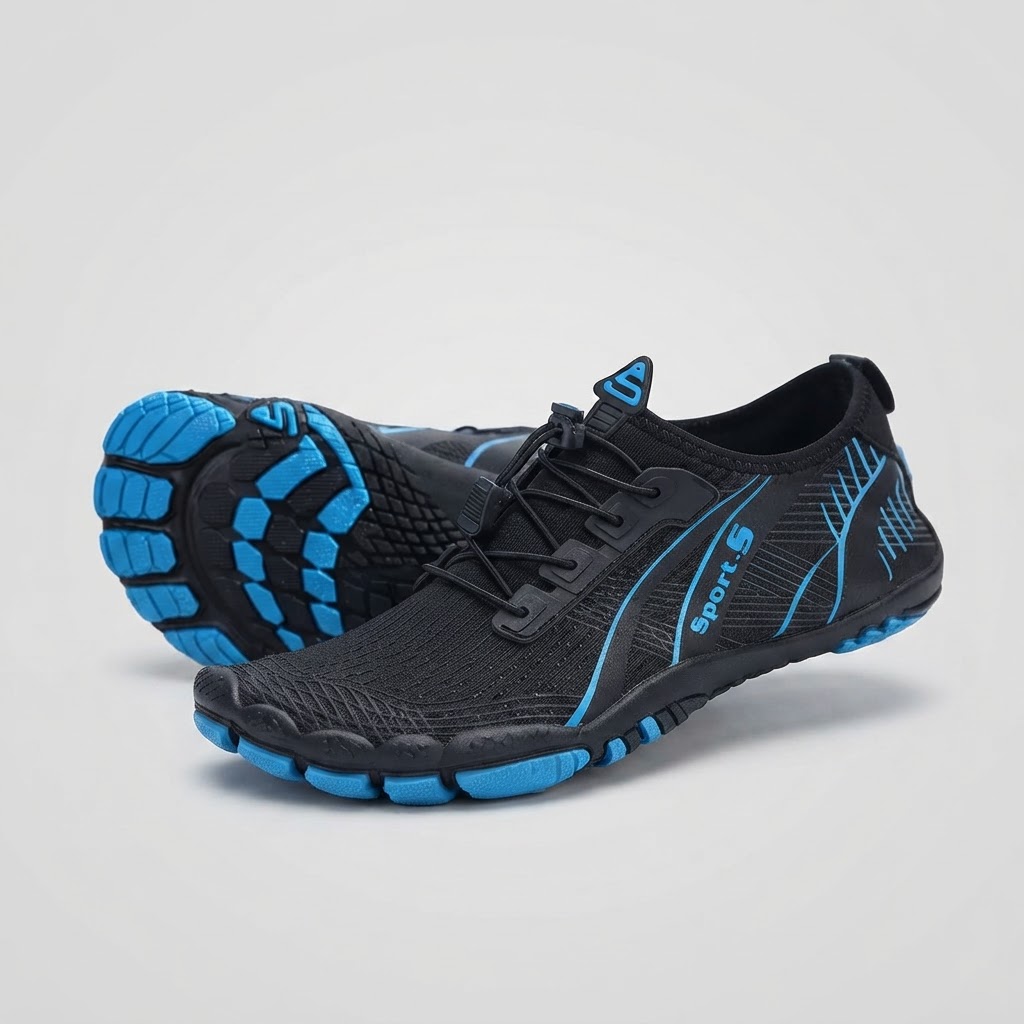
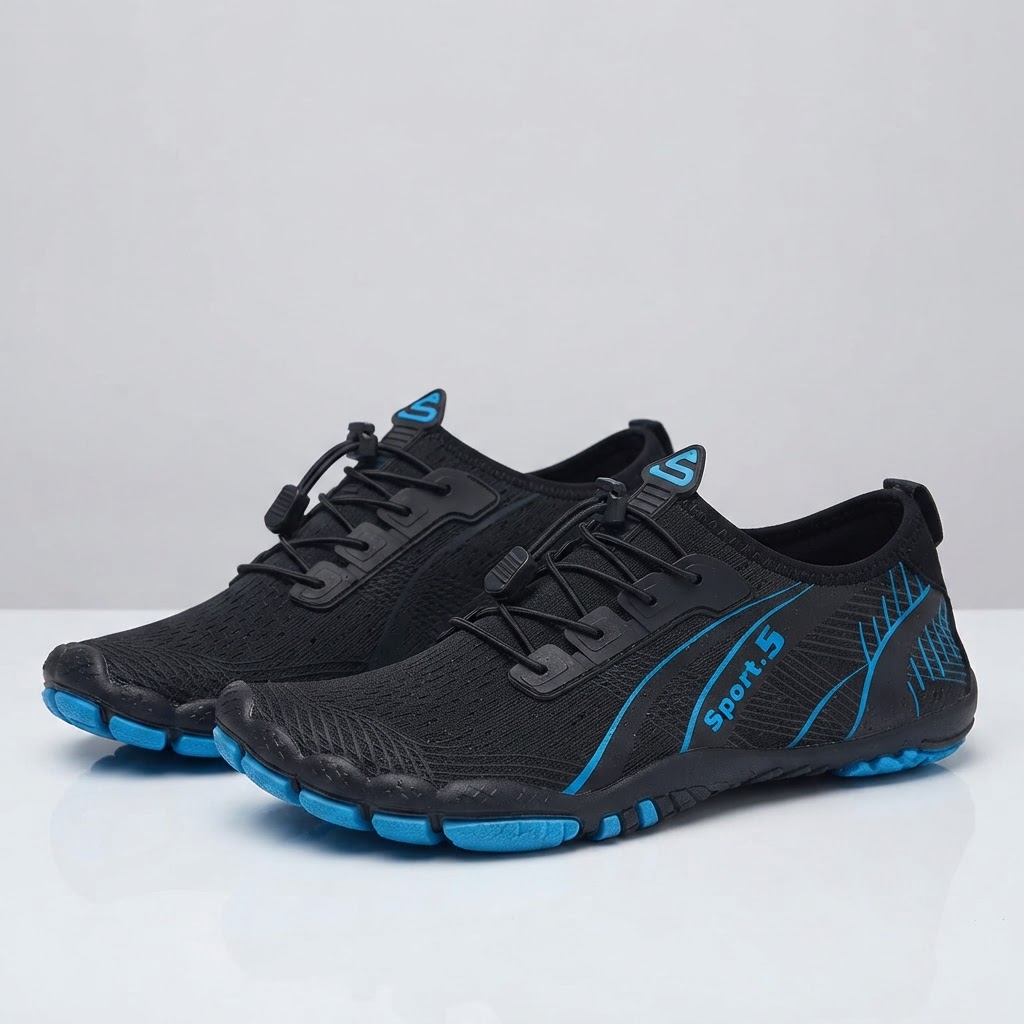
Standard footwear like flip-flops or open sandals fails to provide necessary stability and perimeter protection. Specialized water footwear is required for rocky conditions.
Key features to evaluate include:
- Traction & Outsole: Water shoes need sturdy soles designed specifically for grip on wet surfaces. Look for durable, non-slip rubber compounds with deep tread patterns.
- Puncture & Hazard Defense: A strong sole acts as a shield against sharp objects and potential hazards underfoot.
- Comfort & Fit: Look for options that offer a snug, flexible fit for all-day wear so the shoe doesn't twist off your foot in water currents.
- Quick-Drying Properties: Quality shoes dry rapidly, preventing discomfort, skin chafing, and unpleasant odors caused by trapped water.
Immediate First Aid for Foot Injuries
If you sustain a cut or puncture on a rocky beach, act quickly:
- Rinse Immediately: Clean the wound with clean, fresh water or sterile saline to remove sand, sea salt, and debris.
- Disinfect: Apply an antiseptic solution or wipe to prevent bacterial infection from ocean microbes.
- Protect: Cover the injury with a sterile bandage before putting footwear back on or walking across ground.
- Seek Medical Care: Punctures from urchin spines or rusty marine debris require professional medical evaluation.
Maintaining Your Water Gear
Proper care extends the lifespan of your foot protection. Always rinse your footwear thoroughly with fresh water after exposure to saltwater, mud, or sand. Allow them to air dry away from direct extreme heat sources to keep materials resilient and flexible for your next adventure.
Related in this cluster
- How to Safely Walk on Slippery, Rocky Shores
- 5 Common Hazards on Rocky Beaches and How to Avoid Them
- Water Shoes vs. Flip Flops for Rocky Shore Exploration
- What Makes Ideal Water Footwear for Rocky Terrain?
- Why Aqua Stride Shoes Are the Ultimate Rocky Beach Companion
- Frequently Asked Questions About Rocky Beach Footwear